Sexual Abuse and Slavery Being Used as Weapons Says Human Rights Group

By: Adam King
Impunity Rights News Reporter, Africa

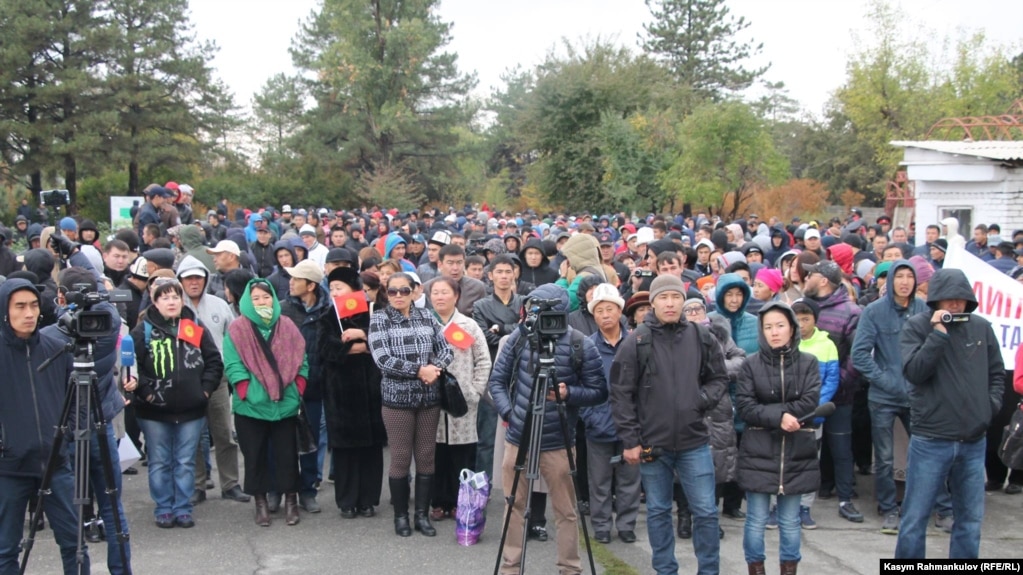
Women and children face fears of sexual violence. Photo courtesy of Human Rights Watch.

DAKAR, Senegal — A recent report by Human Rights watch released on October 5, 2017 details the horrific ordeals of the plight of women in the Central African Republic.  Women in the region have been subjected to repeated instances of rape and sexual slavery.  The repeated violence is the result of a coup that took place in the country in 2013;

“Thousands have died and a fifth of Central Africans have been uprooted in a conflict that broke out after the mainly Muslim Seleka rebels ousted President Francois Bozize in early 2013, provoking a backlash from Christian anti-balaka militias.”

It’s clear, according to Human Rights researcher Hillary Margalois, that the violence against women is calculated and intentional;

“Armed groups are using rape in a brutal, calculated way to punish and terrorize women and girls…Every day, survivors live with the devastating aftermath of rape, and the knowledg[e] that their attackers are walking free, perhaps holding positions of power, and to date facing no consequences whatsoever.”

This targeting has a directly negative effect on the women involved.  Women may not feel as if they have effective recourses against the treatment, which may lead to underreporting of the violations against them, “Due to stigma, under-reporting by survivors, and security-related restrictions on research, the full number of sexual violence incidents by armed groups during the conflict is undoubtedly higher.”

The stigma discussed is not just that of being the victim of rape or sexual exploitation.  There are also cultural factors at play that can affect women twice over, social and familial. A woman can be forced to bear shame from the violence against her and be ridiculed by family and community members;

“Stigma and rejection also present significant barriers to women and girls disclosing rape or seeking help. Survivors said their husbands or partners abandoned them, family members blamed them, and community members taunted them publicly after rape…Only 11 of the 296 survivors interviewed said they had tried to initiate a criminal investigation. Those who had informed authorities faced mistreatment including victim-blaming, failure to investigate, and even demands to present their attackers for arrest. Three survivors said that their relatives had been killed, beaten, or threatened with death when they confronted members of an armed group responsible for their rapes.”

The stigma attached to the violence, coupled with shame and ridicule, leave these women with little options to pursue justice.  The threat alone of repeated physical violence or even death is enough to deter women from seeking out help.  As a result, many of the aftereffects resulting from the violence and rape leave permanent afflictions;

“Women and girls often said they suffered incapacitating physical injury and illness, including HIV, because of rape, as well as suicidal thoughts and loss of livelihoods or access to education. Most had not received post-rape medical or mental health care – including medication to prevent HIV and unwanted pregnancy – due to a lack of medical facilities, the cost of services or transport to facilities, and misconceptions about available services.”

Violence against women in conflict zones is unfortunately a rather frequent occurrence in Africa.  Women and children tend to be the most vulnerable and do not have the means to seek effective redress. The United Nations has spent considerable time and resources in identifying and trying to address the problem head-on. There have been regional initiatives that attempt to empower tribunals to conduct investigations into allegations of sexual violence and bring those responsible to justice.  The Special Criminal Court (SCC) is backed by close to 20 non-governmental and international human rights organizations. The challenge, however, is to convince surviving victims that pursuing justice is a possibility and that it doesn’t result in further intimidation or violence from the perpetrators.

For more information, please see:

Reuters — ‘Rape, sexual slavery are weapons in Central African Republic war – report’ — 05 October 2017

Human Rights Watch — ‘Central African Republic: Sexual Violence as a Weapon of War’ — 05 October 2017

Human Rights Watch — ‘Central African Republic: Support the Special Criminal Court’ — 16 November 2016

Amnesty International — ‘Global campaign targets rape in conflict zones’ — 23 November 2012

United Nations — ‘Rape: Weapon of War’ — June 2008

Tensions in Spain rise as court blocks Catalonia parliament from meeting

By: Sara Adams
Impunity Watch News Reporter, Europe
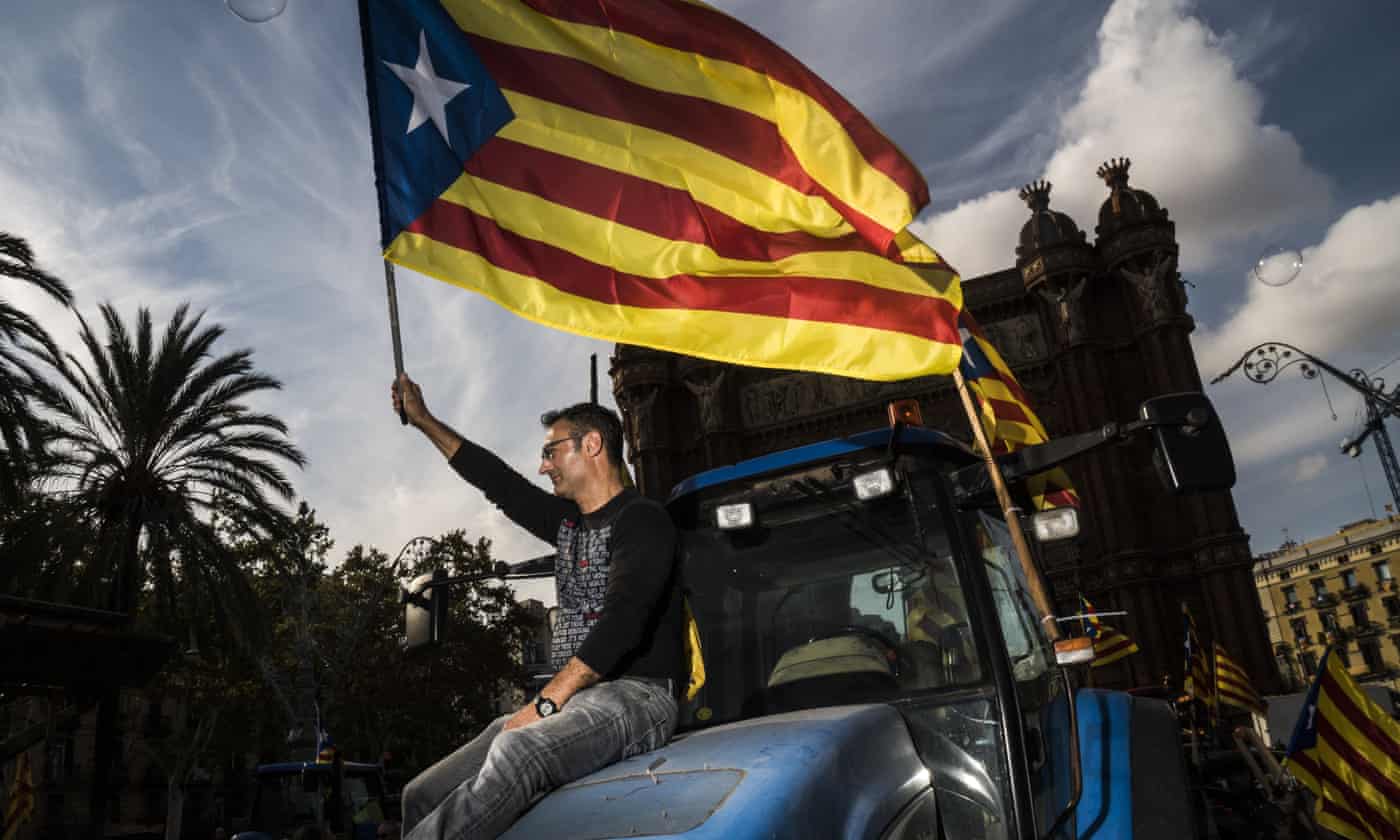
Supporters of independence for Catalonia marching in the streets of Barcelona. Image courtesy of Getty Images.

BARCELONA, Spain – Less than a week after Catalonia’s vote for independence from Spain, the highest federal court in the country has blocked the constitutionality of the vote.

On October 5th, the court ruled that allowing the Catalan parliament to meet and consider declaring independence violates the rights of the Catalonian Socialist Party’s members of parliament.

The court urged that any session of the Catalan parliament defying its decision would be “null.”

They also added that any leaders who hold the session could face “criminal action” if they choose to ignore the court’s verdict.

Despite Catalan leader’s call for “peace and accord” in their quest for independence, violence erupted after the vote on October 1st, much of it stemming from citizens clashing with Spanish police.

The Prime Minister of Spain, Mariano Rajoy, has also stated that the situation will “escalate further” if the Catalan government declares independence.

“[The] best [solution] would be a return to legality and the swiftest possible confirmation that there won’t be a unilateral independence declaration, because that way still greater harm could be avoided,” Mr. Rajoy said in a statement to the Spanish news agency Efe.

King Felipe of Spain has also condemned Catalan attempts to secede from the country, calling Catalan actions as “an unacceptable attempt” to take over the institutions placed there by the federal government.

The vote on October 1st has caused much division, both within the region of Catalonia and outside of it.

The New York Times reports a rise of nationalist sentiment throughout Spain, with many pushing openly against Catalonia.

And while 90% of the votes counted on the October 1 election were in favor of independence, the voter turnout hovered at only 42%. This in part may be due to the many anti-secession Catalans who boycotted the election, hoping to avoid giving “legitimacy” to the vote.

Both anti- and pro-independence rallies are reportedly planned for the next several days.

When asked what they thought about the high court’s decision, the Catalan government told CNN, “we will see.”

Indeed, it remains to be seen whether Catalonia will carry forth with their attempt to gain independence from Spain.

For more information, please see:

BBC News – Catalan crisis: Spanish court bars MPs’ independence vote – 5 October 2017

The Washington Post – Catalonia poses a real crisis for both Spain and Europe – 5 October 2017

CNN – Spanish court blocks Catalan parliament’s independence move – 5 October 2017

The Guardian – Spanish court blocks Catalan parliament from declaring independence – 5 October 2017

The New York Times – Catalonia Separatism Revives a Long-Dormant Spanish Nationalism – 5 October 2017

East Asia and the Pacific Reported to Have the Most Slum Dwellers

By: Brian Kim
Impunity Watch Reporter, Asia 

SINGAPORE – The World Bank’s latest report on urban poverty released on October 3rd, 2017 affirmed that East Asia and the Pacific are home to the largest slum population in the world. According to the report, more than 250 million people in China, Indonesia, the Philippines, and other surrounding countries currently live in slums. This population surpassed Sub-Saharan Africa’s 200 million and South Asia’s 191 million according to the World Bank.

The World Bank released a report that around 64% of people in Asia live in urban slums. Photo courtesy of Nikkei Asian Review.

Fast economic growth in China, Indonesia, and Vietnam alleviated millions of people out of poverty. However, lack of urban planning and inadequate social welfare have led to people settling in poverty stricken places. It is estimated that around 1 billion people of the urban population in developing countries live in slums. The figures were especially high in countries such as Mongolia, Myanmar, and the Philippines. Around 75 million people in the region are reported to live on less than $3.10 per day.

Although there are many factors that leads to poverty, access to public transportation, jobs and affordable housing are some of the main factors. For example, many people in the region are slow to transition from information employment into formal sectors. Out of all of the employment opportunities in the region, around 65% of the jobs are considered informal.

The World Bank stated that governments in the region must revise policies to assist the urban poor so they are able to obtain higher paying and secure jobs. Moreover, the report insisted countries invest in clean water, sanitation and solid waste management systems. The success models suggested by the report were partially based on the prior success of developed economies in the region such as Japan, Singapore and South Korea. By improving these factors, the countries will have significant impact on health, productivity, and welfare.

ABS-CBN News – World Bank flags widening inequality in East Asia, Pacific – 3 October, 2017

Asia Nikkei Review – World Bank says 64% of people who live in slums are in Asia – 3 October, 2017

Straits Times – East Asia, Pacific have most slum dwellers – 4 October, 2017

Death Toll Rises to 12 at Florida Nursing Home

By Sarah Purtill
Impunity Watch Reporter, North America

MIAMI, Florida – On September 10th, hurricane Irma tore through Florida, causing the Hollywood Hills Rehabilitation Center to lose some of its power. The home maintained some electricity, but lost the power to its air conditioning units when a tree knocked out a transformer. Three days after the hurricane hit, the nursing home called 911. Many of their patients had begun exhibiting cardiac arrest and respiratory failure. On September 13th, nearly 150 patients were evacuated. . Of the 150 patients that were evacuated on September 13th, a number of them were treated for heat-related issues.  As of September 18th, eight patients had died. That number has since risen to twelve.

Dolores Biamonte, 57, died September 28th according to a statement from the Broward County Medical Examiner’s Office. Biamonte was the youngest of the residents who died as a result of the heat exposure. Currently, the dead range in age from 57 – 99. Some of those who died had body temperatures that reached 109.9 degrees Fahrenheit. CNN obtained a video that showed one woman sitting naked in a hallway on what looks like a hospital bed next to fans and spot coolers.

Across the street from the home is one of the largest hospitals in Florida. Investigators want to know why so many patients died even though the hospital was only across the street. The twelve deaths at the Rehabilitation Center at Hollywood Hills are now being treated as part of a criminal investigation, according to Hollywood police spokesman, Miranda Grossman. Federal and State agencies are also conducting administrative investigations.

The Rehabilitation Center at Hollywood Hills is under investigation following the deaths of 12 residents from heat exposure after Hurricane Irma. Photo Courtesy of the Daily News.

Florida Governor Rick Scott’s office reported, even though the nursing home had multiple calls with state authorities, they never reported that the patients were in danger or needed to be evacuated.  That report also stated that the state advisors told the nursing home managers multiple times to call 911 if the patients were in danger or needed to be evacuated. The 159-page state report said that was “something [the nursing home] failed to do.”

The Governor said in a statement, “this facility is failing to take responsibility for the fact that they delayed calling 911 and made the decision not to evacuate their patients to one of the largest hospitals in Florida, which is directly across the street.” The nursing home said it is “fully cooperating with all authorities and regulators to assess what went wrong.” The nursing home has also expressed their sympathy for the families of those who died.

Several families have filed lawsuits. Pedro Franco, whose father, Miguel, died following Irma, said, “this is something that could have been prevented.” Franco is among those who filed a lawsuit against the nursing home. The lawsuit also alleges that the nursing home failed to provide proper care to Pedro’s mother, Cecilia Franco, who survived but was hospitalized in serious conditions.

The State Agency for Health Care Administration revoked the nursing home’s license and shut them down earlier this month. In addition, Governor Scott gave all Florida nursing homes and assisted living facilities sixty days to comply with news rules which require them to have generators that can provide backup power for up to four days.

For more information, please see:

CNN – Florida Nursing Home Death Toll Reaches 12 – 29 September 2017

Daily News – Death Toll Reaches 12 at Florida Nursing Home Left Without Power After Hurricane Irma – 29 September 2017

NBC News – Florida Nursing Home Death Toll Rises to Twelve After Hurricane Irma Knocked Out A/C – 29 September 2017

Time – 12th Person Dies After being Taken From Overheated Florida Nursing Home – 29 September 2017

CNN – Video Shows Naked Woman in Sweltering Nursing Home Where 8 Died – 16 September 2017

Damascus Center for Human Rights Studies: Majority of Syrian Victims Were Killed by US-Led Coalition’s Airstrikes and Russia’s Airstrikes During Jan-17 to Sep-17

Introduction and Background

Throughout March 15th, 2011 to September 30, 2017, the Damascus Center for Human Rights Studies (DCHRS) documented a provisional total of 151,269 casualties. 79% of those killed were civilians accumulating to 119,434 civilian victims. The remaining 21% belonged to one of the fighting factions. The number of documented children during the indicated period is 16,793 Children victims at a rate of 11% of the total victims. The documented number of women casualties is 11,786 at a rate of 8% of the total victims.

In September, 2014, the US-Led Coalition began its airstrikes assaults to eliminate ISIS’s spread in Syria. In addition, the Russian Federation intervened in the Syrian conflict on behalf of the Syrian regime in September, 2015. To this day, both the US-Led Coalition and Russian air force continue their indiscriminate airstrikes across Syria causing collateral damage of civilian casualties as this report indicates.

Number of Casualties Killed by US-Led Coalition’s Airstrikes and Russia’s Airstrikes Since They Began Attacks in Syria:

Throughout September, 2014 to September 30, 2017, the Damascus Center for Human Rights Studies (DCHRS) documented a provisional total of 2,282 casualties killed by the US-Led Coalition Airstrikes. Additionally, throughout September, 2015 to September 30, 2017, the Damascus Center for Human Rights Studies (DCHRS) documented a provisional total of 7,163 casualties killed by Russia’s airstrikes. The following chart indicates the number of victims killed by US-Led Coalition strikes and Russia’s strikes per month:


Number of Casualties Killed by US-Led Coalition’s Airstrikes and Russia’s Airstrikes Per Month During January, 2017 to the End of September, 2017:

Throughout January 01, 2017 to September 30, 2017, the Damascus Center for Human Rights Studies (DCHRS) documented a provisional total of 1,481 casualties killed by the US-Led Coalition Airstrikes. Additionally, throughout January 01, 2017 to September 30, 2017, the Damascus Center for Human Rights Studies (DCHRS) documented a provisional total of 904 casualties killed by Russia’s airstrikes. The following chart/table indicates the number of victims killed by US-Led Coalition strikes and Russia’s strikes per month. Correlation analysis of victims killed by US-Led Coalition’s strikes, and Russia’s strikes per month during January 1, 2017 to September 30, 2017 using the correlation coefficient formula: (r) =[ nΣxy – (Σx)(Σy) / Sqrt([nΣx2 – (Σx)2][nΣy2 – (Σy)2])] for two data sets resulted in r = -1. Subsequently the negative correlation coefficient demonstrates that for each month, if the number of victims killed by the US-Led Coalition strikes for that specific month increased, the number of the victims killed by Russia’s strikes decreased, and the vice versa is correct.


Number of Casualties Killed by US-Led Coalition’s Airstrikes and Russia’s Airstrikes Per Province During January, 2017 to the End of September, 2017:

The following chart shows the correlation between the number of victims killed per province by both; the US-Led Coalition airstrikes and Russia’s strikes, during January, 2017 till September, 2017. Using the correlation coefficient formula: (r) =[ nΣxy – (Σx)(Σy) / Sqrt([nΣx2 – (Σx)2][nΣy2 – (Σy)2])] for two data sets resulted in r = -0.160557222. Subsequently the negative correlation coefficient demonstrates that for each province, if the number of victims killed by the US-Led Coalition strikes for that specific province increased, the number of the victims killed by Russia’s strikes for that specific province decreased, and the vice versa is correct.

US-Led Coalition Strikes Casualties’ Analysis for the Period Jan, 2017 to Sep, 2017:

The following chart shows the number of victims killed by US-Led Coaltition airstrikes for the period January, 2017 to the end of the September, 2017, totalling to 1,481 victims.

Findings:

The chart presents the following indications:

  • An increase in the number of casualties towards the Beginning of Mar, 2017 and ending in August, 2017.
  • Casualties equal or greater than 100 were recorded in the following months: March 2017, April 2017, and May 2017, June 2017, July 2017, and August, 2017.
  • Casualties equal or greater than 200 were recorded in the following months: May 2017, June 2017, July 2017, August, 2017.

The below chart / table details the number of casualties killed by US-Led Coalition per Syrian provinces sorted descending. Only 9 provinces recorded causalities and they are: Ar-Raqqa, Der Ezzor, Homs, Aleppo, Idlib, Hama, Damascus & Suburbs, Al-Hasaka, and Daraa.

Findings:

The chart presents the following indications:

  • During Jan,17 to Sep, 2017, Ar-Raqqa province recorded the highest number of casualties killed by US-Led Coalition’s airstrikes accumulating to 1101 victims.
  • During the same period, the second province with the highest number of casualties was Der Ezzor with 227 victims.
  • DCHRS is unable to retrieve accurate count on casualties from ISIS combatants, terrorist groups, extremist factions, Syrian regime soldiers, or Assad’s allies, thus most of the documented victims were civilians with ratio of 99%.

Russia’s Strikes Casualties’ Analysis for the Period Jan, 2017 to Sep, 2017:

The following chart shows the number of victims killed by Russia’s airstrikes for the period January, 2017 to the end of the September, 2017, totaling to 904 victims.

Findings:

The chart presents the following indications:

  • An increase in the number of casualties towards the beginning of Jan, 2017 and ending in April, 2017. The number raises again during Sep, 2017.
  • Casualties equal or greater than 100 were recorded in the following months: Jan 2017, Feb 2017, March, 2017, April, 2017, and Sep 2017.
  • Casualties equal or greater than 200 were recorded in April, 2017.
 
The below chart details the number of casualties killed by Russia’s airstrikes per Syrian provinces, sorted descending. Only 8 provinces recorded causalities and they are: Idlib, Hama, Aleppo, Damascus & Suburbs, Der Ezzor, Ar-Raqqa, Homs, and Daraa.

Findings:

The chart presents the following indications:

  • During Jan,17 to Sep, 2017, Idlib province recorded the highest number of casualties killed by Russia’s airstrikes accumulating to 250 victims.
  • During the same period, the second province with the highest number of casualties was Hama with 186 victims.
  • DCHRS is unable to retrieve accurate count on casualties from ISIS combatants, terrorist groups, extremist factions, Syrian regime soldiers, or Assad’s allies, thus most of the documented victims were civilians with ratio of 99%.

Ratio of Victims Killed Out of Total Number of Casualties During Period Jan, 2017 to Sep, 2017:

Throughout January 1, 2017 to September 30, 2017, DCHRS documented a total of 1,481 casualties killed by the US-Led Coalition Airstrikes. In addition, throughout January 1, 2017 to September 30, 2017, the DCHRS documented a total of 904 casualties killed by Russia’s airstrikes. The remaining number is 4,705 for victims who were killed by other reasons of death. When dividing the above numbers by the total number of casualties documented during the same period, January, 2017 to the end of September, 2017, a ratio of 21% is victims killed by US-Led Col strikes, and a ratio of 13% is victims killed by Russia’s strikes. Whilst the 66% is casualties killed by different means or reasons of death. Therefore, from every 100 persons killed in Syria, 21 are killed by US-Led Coalition’s strikes, and 13 by Russia’s airstrikes.


Based on the above statistics and charts, the Damascus Center for Human Rights Studies (DCHRS) calls the international community to terminate the indiscriminate aggression of aerial aviation, which is designed specifically to target civilians deliberately. DCHRS condemns the constant aerial bombardment of the regime air forces, Russian air forces, and the US-Led Coalition’s forces for perpetrating crimes against humanity and war crimes against the Syrian civilians. DCHRS calls upon the US-Led Coalition Forces and the Russian Federation to target and aim precisely due to the loss of large number of civilians, who were killed as collateral damage. DCHRS commends any efforts or initiatives to establish a safe zone in Syria, which shall save many lives of civilians. Furthermore, Also, DCHRS denounces the continues failure of the UN Security Council to achieve mechanisms to end violence in Syria, and to account crime perpetrators to justice. Additionally, DCHRS urges the UN and the international community to implement the ceasefire agreement, the de-escalation zones agreement, and to create a no-fly zone that could prevent the deaths of many children, women, and civilians.


DCHRS, inspired by its main mission in documenting and monitoring human rights violation in Syria and as a member of the International Coalition for the Responsibility to Protect (ICRtoP), urges all the concerned organization to work on, referring the cases of these massacres, and the many other massacres perpetrated by the Syrian regime, to the I.C.C. and the specialized courts, holding the individuals responsible for these crimes accountable.

مقدمة وخلفية

مع بداية الثورة السورية وسقوط أول شهيد، بدأ مركز دمشق لدراسات حقوق الإنسان برنامج التوثيق وتسجيل الضحايا والمراقبة وجمع الأدلة. حيث و وَثقَّ مركز دمشق لدراسات حقوق الإنسان في الفترة الممتدة بين 15 أذار – مارس من العام 2011م حتى تاريخ 30 من شهر سبتمبر/أيلول من العام 2017م، ما مجموعه  151,269  ضحية، تم تسجيلهم بالاسم الثلاثي والثنائي، قرابة 79 % منهم كانوا مدنيين وعددهم 119,434 مدني، من بينهم وثق المركز 16,793 شهيداً من فئة الأطفال بنسبة قدرها 11%، و 11,786 امرأة من فئة النساء بنسبة قدرها 8% من العدد الكلي للقتلى، بلغت النسبة المتبقية وهي60% توثيق ما يقارب 88,913 رجلاً من فئة المدنيين.

في سبتمبر/أيلول 2014، بدأ التحالف الدولي بقيادة الولايات المتحدة هجماته الجوية للقضاء على انتشار تنظيم داعش في سوريا. وبالإضافة إلى ذلك، تدخل الاتحاد الروسي في النزاع السوري نيابة عن النظام السوري في سبتمبر/أيلول 2015. وحتى يومنا هذا، يواصل التحالف والقوات الجوية الروسية ضرباتهم الجوية العشوائية في أرجاء سوريا مما تسبب في خسائر للكثير من أرواح المدنيين كما يفصل هذا التقرير.


عدد القتلى الذين قتلوا جراء غارات التحالف الدولي والغارات الجوية الروسية:

خلال الفترة من أيلول / سبتمبر 2014 إلى 30 أيلول / سبتمبر2017، وثق مركز دمشق لدراسات حقوق الإنسان ما مجموعه 2,282 ضحية جلّهم من المدنيين، قتلوا جراء الغارات الجوية التي تقودها قوات التحالف الدولي .

بالإضافة إلى ذلك، قام مركز دمشق خلال شهر أيلول / سبتمبر 2015 وحتى 31 أيار/مايو 2017 بتوثيق ما مجموعه 7,163 ضحية قتلتوا بسبب الغارات الجوية الروسية.

ويبين الرسم البياني التالي عدد الضحايا الذين قتلوا بسبب ضربات التحالف بقيادة الولايات المتحدة وضربات روسيا خلال الفترة المذكورة أعلاه:

عند تحليل الترابط بين أعداد الضحايا الذين قتلوا بقصف التحالف الدولي وقصف الطيران الروسي بكل شهر خلال الفترة من 01 شهر يناير / كانون الثاني 2017 وحتى 30 أيلول / سبتمبر لعام 2017، وباستخدام معادلة معاملات الارتباط Correlation Coefficients، فإن معامل الارتباط r = -1، مما يعني أن معامل الارتباط سالب، أي أنه ارتباط عكسي تام، وبالتالي فكلما زاد عدد الضحايا الذين قتلوا في شهر معين على يد قصف التحالف الدولي، فإن ضحايا القصف الروسي يقل بشكل ملحوظ أو تام، والعكس صحيح، كلما زاد عدد ضحايا القصف الروسي بشهر، فإن ضحايا التحالف الدولي لذاك الشهر تحديداً يقل بشكل ملحوظ.

عدد القتلى الذين قتلوا جراء غارات التحالف الدولي والغارات الجوية الروسية لكل محافظة سورية منذ بدء يناير / كانون الثاني 2017 وحتى نهاية أيلول / سبتمبر لعام 2017:

عند تحليل الترابط بين أعداد الضحايا الذين قتلوا بقصف التحالف الدولي وقصف الطيران الروسي بكل محافظة سورية خلال الفترة من 01 شهر يناير / كانون الثاني 2017 وحتى 30 أيلول / سبتمبر لعام 2017، وباستخدام معادلة معاملات الإرتباط Correlation Coefficients فإن معامل الإرتباط r = -0.160557222 ، مما يعني أن معامل الإرتباط سالب، أي أنه ارتباط عكسي أقل من متوسط ، وبالتالي فكلما زاد عدد الضحايا الذين قتلوا في محافظة معينة على يد قصف التحالف الدولي، فإن ضحايا القصف الروسي يقل بشكل ملحوظ ولكن أقل من متوسط، والعكس صحيح، كلما زاد عدد ضحايا القصف الروسي بمحافظة سورية ما، فإن ضحايا التحالف الدولي لذات المحافظة تحديداً يقل بشكل جزئي.


تحليل إصابات غارات التحالف الدولي بقيادة الولايات المتحدة خلال 01 شهر يناير / كانون الثاني 2017 وحتى 30 أيلول / سبتمبر لعام 2017

يبين الرسم البياني التالي عدد الضحايا الذين قتلوا جراء الغارات الجوية التي شنتها الولايات المتحدة خلال الفترة من من 01 شهر يناير / كانون الثاني 2017 وحتى 30 أيلول / سبتمبر لعام 2017 والذين عددهم يقارب 1,481 ضحية.

ويعرض الرسم البياني المؤشرات التالية:

  • زيادة في عدد الإصابات منذ بداية من شهر مارس/آذار 2017 وحتى نهاية أغسطس/آب 2017.
  • سُجلت إصابات تساوي أو تزيد عن 100 حالة في الأشهر التالية: من بداية آذار/مارس 2017، وحتى نهاية أغسطس/آب 2017.
  • سُجلت إصابات تساوي أو تزيد عن 200 حالة في الأشهر التالية: من بداية مايو/أيار 2017 وحتى نهاية أغسطس/آب 2017.


يوضح الرسم البياني أدناه عدد الضحايا الذين قتلهم التحالف بقيادة الولايات المتحدة خلال 01 شهر يناير / كانون الثاني 2017 وحتى 30 أيلول / سبتمبر لعام 2017، لكل محافظة سورية، مرتبين نازليا في 9 محافظات فقط وهم: الرقة، دير الزور، حمص، حلب، إدلب، حماة، دمشق وريفها، الحسكة، درعا، ويعرض الرسم البياني المؤشرات التالية:

  • خلال 01 شهر يناير / كانون الثاني 2017 وحتى 30 أيلول / سبتمبر لعام 2017، تصدرت الرقة قوائم الشهداء الذين قضوا على يد غارات التحالف الدولي، وهم 1101 ضحية، وتلتها محافظة دير الزور ب 277 ضحية.
  • لا یستطیع المرکز أن يورد أعداد وأسماء القتلى من عناصر داعش أو أي جماعة إرهابية، ولا يستطيع توثيق جنود النظام السوري وحلفائه، فبالتالي فإن غالبية الضحايا الموثقين ونسبتهم 99% هم من فئة المدنیین.

تحليل إصابات الغارات الجوية الروسية بكل شهر خلال 01 شهر يناير / كانون الثاني 2017 وحتى 30 أيلول / سبتمبر لعام 2017

يبين الرسم البياني التالي عدد الضحايا الذين قتلوا بسبب الغارات الجوية الروسية للفترة من خلال 01 شهر يناير / كانون الثاني 2017 وحتى 30 أيلول / سبتمبر لعام 2017 وعددهم يقارب 904 ضحية.

ويعرض الرسم البياني المؤشرات التالية:

  • زيادة في عدد الإصابات خلال الأشهر من بداية يناير/ كانون لعام 2017 وحتى نهاية إبريل / نيسان 2017، يعود الرقم للزايدة خلال شهر سبتمبر/أيلول لعام 2017.
  • سُجلت إصابات تساوي أو تزيد عن 100 حالة في عام 2017 خلال الأشهر التالية: يناير/كانون الثاني، فبراير/شباط، مارس/آذار، إبريل/نيسان لعام 2017، وعاد ليزيد خلال شهر سبتمبر/أيلول لعام 2017.
  • سُجلت إصابات تساوي أو تزيد عن 200 حالة خلال شهر إبريل/نيسان لعام 2017.

يوضح الرسم البياني أدناه عدد الضحايا الذين قتلوا بسبب الضربات الجوية الروسية خلال 01 شهر يناير / كانون الثاني 2017 وحتى 30 أيلول / سبتمبر لعام 2017، لكل محافظة سورية، مرتبة تنازليا في 8 محافظات وهم: إدلب، حماة، حلب، دمشق وريفها، دير الزور، الرقة، حمص، ودرعا، ، حيث يعرض الرسم البياني المؤشرات التالية:

  • خلال 01 شهر يناير / كانون الثاني 2017 وحتى 30 أيلول / سبتمبر لعام 2017، تصدرت محافظة إدلب قوائم الضحايا ب 250 ضحية، تلتها محافظة حماة ب 186 ضحية.
  • لا یستطیع المرکز أن يورد أعداد وأسماء القتلى من عناصر داعش أو أي جماعة إرهابية، ولا يستطيع توثيق جنود النظام السوري وحلفائه، فبالتالي فإن غالبية الضحايا الموثقين ونسبتهم 99% هم من فئة المدنیین.

نسبة ضحايا القصف الروسي وقصف التحالف الدولي من إجمالي عدد الضحايا خلال 01 شهر يناير / كانون الثاني 2017 وحتى 30 أيلول / سبتمبر لعام 2017

خلال 01 شهر يناير / كانون الثاني 2017 وحتى 30 أيلول / سبتمبر لعام 2017، وثق المركز ما مجموعه 1,481 شخصا قتلوا جراء الغارات الجوية للتحالف الدولي، وبالإضافة إلى ذلك، وثق المركز خلال نفس الفترة ما مجموعه 904 شخصا قتلوا جراء الغارات الجوية الروسية.

وعند تقسيم الأرقام المذكورة أعلاه إلى إجمالي عدد الضحايا الذين وثقوا خلال الفترة خلال 01 شهر يناير / كانون الثاني 2017 وحتى 30 أيلول / سبتمبر لعام 2017، يتبين أن نسبة 21 ٪ هي ضحايا قتلوا من قبل ضربات التحالف بقيادة الولايات المتحدة، ونسبة 13 ٪ هي ضحايا قتلوا بسبب الضربات الروسية، والبقية 66% هي نسبة الضحية الذين قتلوا بطرق أو أسباب آخرى. لذلك، من كل 100 شخص قتلوا في سوريا هناك 21 شخص يقتلون على يد غارات التحالف بقيادة الولايات المتحدة، و 13 آخرون يلقون حتفهم من الغارات الجوية الروسية.

بناء على ما تقدم من إحصائيات، فإن مركز دمشق لدراسات حقوق الإنسان يناشد المجتمع الدولي بوضع حد للعدوان العشوائي المتمثل بالطيران الجوي الذي صمم خصيصاً ليستهدف المدنيين حيث بات يوقع في صفوفهم على نحو يومي ضحايا مستمرين. ويشير المركز إلى أن مبادرات إقامة منطقة آمنة في سوريا ستقي الكثير من أرواح المدنيين، كما يستنكر مركز دمشق قصف قوات النظام المدعومة بغطاء جوي روسي وقصف قوات التحالف الدولي لارتكابهم جرائم ضد الإنسانية وجرائم حرب عجز مجلس الأمن الدولي عن ردعها عبر إيجاد آلية ما للجم العنف والقتل الذي لم يتوقف ليوم واحد منذ بداية الثورة السورية وحتى نهاية شهر مايو/أيار من العام 2017، حيث تشهد الإحصاءات المذكورة أعلاه، ب 151,269 ضحية 79% منهم مدنيون.
وباعتبار مركز دمشق عضو في التحالف الدولي من أجل تطبيق مبدأ مسؤولية الحماية (ICRtoP)، يطالب المركز أيضاً بالسعي الحثيث لتحقيق العدالة الانتقالية في سوريا، عبر ضمان الإنصاف لكل الضحايا الأبرياء وإعلاء مبدأ المساءلة وعدم الإفلات من العقاب.


كما يعود المركز ليدعو مجلس الأمن الدولي والمنظمات ذات الصلة للاضطلاع بمسؤولياتهم وفقاً لمبادئ مسؤولية الحماية (R2P)، وعدم الوقوف موقف المتفرج على ما يحصل من انتهاكات في سوريا أضحت تطال البشر والحجر معاً.


Throughout March 15th, 2011 to September 30, 2017, the Damascus Center for Human Rights Studies (DCHRS) documented a provisional total of 151,269 casualties. 79% of those killed were civilians accumulating to 119,434 civilian victims. The remaining 21% belonged to one of the fighting factions. The number of documented children during the indicated period is 16,793 Children victims at a rate of 11% of the total victims. The documented number of women casualties is 11,786 at a rate of 8% of the total victims.

The total number of combatants that DCHRS documented is approximately 31,835 casualties with a ratio of 21% of the total number of victims. Nevertheless, 19% is the ratio of women and children combined. Therefore, for every soldier killed, a child or a woman is killed, and about more than three civilians are also killed.


Based on the above statistics and charts, the Damascus Center for Human Rights Studies (DCHRS) calls the international community to terminate the indiscriminate aggression of aerial aviation, which is designed specifically to target civilians deliberately. DCHRS commends any efforts or initiatives to establish a safe zone in Syria, which shall save many lives of civilians. Furthermore, DCHRS condemns the constant aerial bombardment of the regime air forces, Russian air forces, and the U.S led coalition forces, for perpetrating crimes against humanity and war crimes against the Syrian Civilians. Also, DCHRS denounces the continues failure of the UN Security Council to achieve mechanisms to end violence in Syria, and to account crime perpetrators to justice. Additionally, DCHRS urges the UN and the international community to further implement the “Ceasefire” agreement, the “de-escalation zone” agreement, and to create a no-fly zone that could prevent the deaths of many children, women, and civilians.


DCHRS, inspired by its main mission in documenting and monitoring human rights violation in Syria and as a member of the  International Coalition for the Responsibility to Protect (ICRtoP), urges all the concerned organization to work on, referring the cases of these massacres, and the many other massacres perpetrated by the Syrian regime, to the I.C.C. and the specialized courts, holding the individuals responsible for these crimes accountable including Bashar Al-Assad as he is the chief-in-command of the army and the armed forces.

وَثقَّ مركز دمشق لدراسات حقوق الإنسان في الفترة الممتدة بين 15 أذار – مارس من العام 2011م حتى تاريخ 30 من شهر سبتمبر/أيلول من العام 2017م، ما مجموعه 151,269 ضحية، تم تسجيلهم بالاسم الثلاثي والثنائي، قرابة 79 % منهم كانوا مدنيين وعددهم 119,434 مدني، من بينهم وثق المركز 16,793 شهيداً من فئة الأطفال بنسبة قدرها 11%، و 11,786 امرأة من فئة النساء بنسبة قدرها 8% من العدد الكلي للقتلى، بلغت النسبة المتبقية وهي 60% توثيق ما يقارب 88,913 رجلاً من فئة المدنيين.

بلغ مجموع القتلى من العسكريين وفق الأرقام التي تمكن المركز من توثيقها ما يقارب 31,835  شخص. شكل العسكريون نسبة 21% من مجموع الضحايا الكلي، وهذا عدد يقارب مجموع عدد النساء والأطفال معاً ونسبتهم 19%، وبالتالي من كل عسكري يقتل، هناك طفل أو امرأة تقتل، و3 رجال من فئة المدنيين يلقون حتفهم.


بناء على ما تقدم من إحصائيات، فإن مركز دمشق لدراسات حقوق الإنسان يناشد المجتمع الدولي بوضع حد للعدوان العشوائي المتمثل بالطيران الجوي الذي صمم خصيصاً ليستهدف المدنيين حيث بات يوقع في صفوفهم على نحو يومي ضحايا مستمرين. ويشير المركز إلى أن مبادرات إقامة منطقة آمنة في سوريا ستقي الكثير من أرواح المدنيين، كما ينكر مركز دمشق قصف قوات النظام المدعومة بغطاء جوي روسي وقصف قوات التحالف الدولي لارتكابهم جرائم ضد الإنسانية وجرائم حرب عجز مجلس الأمن الدولي عن ردعها عبر إيجاد آلية ما للجم العنف والقتل الذي لم يتوقف ليوم واحد منذ بداية الثورة السورية وحتى نهاية شهر سبتمبر/أيلول من العام 2017 حيث تشهد الإحصاءات المذكورة أعلاه، بـ 151,269 ضحية 79% منهم مدنيون.


وباعتبار مركز دمشق عضو في التحالف الدولي من أجل تطبيق مبدأ مسؤولية الحماية (ICRtoP)، يطالب مركز دمشق أيضاً بالسعي الحثيث لتحقيق العدالة الانتقالية في سوريا، عبر ضمان الإنصاف لكل الضحايا الأبرياء وإعلاء مبدأ المساءلة وعدم الإفلات من العقاب.


كما يعود المركز ليدعو مجلس الأمن الدولي والمنظمات ذات الصلة للاضطلاع بمسؤولياتهم وفقاً لمبادئ مسؤولية الحماية (R2P)، وعدم الوقوف موقف المتفرج على ما يحصل من انتهاكات في سوريا أضحت تطال البشر والحجر معاً.

Proud member of:

Copyright © 2017 Damascus Center for Human Right Studies (DCHRS), All rights reserved.