UN Authorizes Investigation of Alleged Chemical Attacks

By Brittani Howell

Impunity Watch News Desk Reporter

DAMASCUS, Syria –   On Thursday, the United Nations Security Council announced it will authorize an international body to investigate who is behind the chemical warfare in Syria and Iraq. Prior to this announcement, the United Nations has only been able to investigate without assessing blame for the attacks.

Russia’s United Nations Ambassador, Vitaly Churkin, at a Security Council Session in July. (Photo Courtesy of The Los Angeles Times)

Russia decided to not use its veto power and had its U.N. ambassador, Vitaly Churkin, deliver a letter to Secretary-General Ban Ki-moon in support of the joint investigative unit. The investigative unit will be able to go anywhere in Syria to conduct its investigation.

U.N. disarmament chief Kim Won-soo stated that “access will be a very challenging issue” particularly because of the Islamic State’s involvement in Syria.

The Iraqi government, on Monday, stated they were sending a team of experts to investigate the allegations that chemical weapons had been used on the Kurdish Forces. It is suspected that the Islamic State has access to chemical weapons, which have not been used in fighting conflicts in Iraq since 2003.

Kurdistan Regional Government officials stated that lab tests showed positive for the chemical agent chlorine. The use of Chlorine as a weapon is forbidden under the 1997 Chemical Weapons Convention. Chlorine is lethal if inhaled, as it turns into hydrochloric acid and causes an individual’s lungs to burn which causes a build up of fluids and results in the drowning of the individual.

The Organization for the Prohibition of Chemical Weapons has destroyed known stockpiles of chemical weapons in both Syria and Iraq.

According to a United States official, the Islamic State has been using mustard agents in both Iraq and Syria.

The United Nations investigative body will begin in the next few weeks and will have its first report within 90 days of being operational. The investigative body is authorized for one year with the possibility for extensions.

For more information, please see:

BBC News – US Official: ‘IS Making and Using Chemical Weapons in Iraq and Syria’ – 10 September 2015

The Associated Press – UN Security Council OKS Syria Chemical Probe – 10 September 2015

The Los Angeles Times – New U.N. Probe of Syrian Chemical Weapons use to Name Perpetrators – 10 September 2015

Reuters – Iraqi team to Probe Alleged IS Chemical Attacks on Kurds – Diplomats – 7 September 2015
The Atrocities of Sudan’s Rapid Support Forces

By Tyler Campbell

Impunity Watch Reporter, Africa

KHARTOUM, Sudan – This Friday Human Rights Watch reported that the Sudanese Rapid Support Forces (RSF) significantly violated international human rights and humanitarian law. This report was based on two counterinsurgency campaigns that took place in 2014 and 2015. The first campaign was called Operation Decisive Summer and took place in February to May of 2014. The second campaign was called Operation Decisive Summer II and took place from January till June 2015.

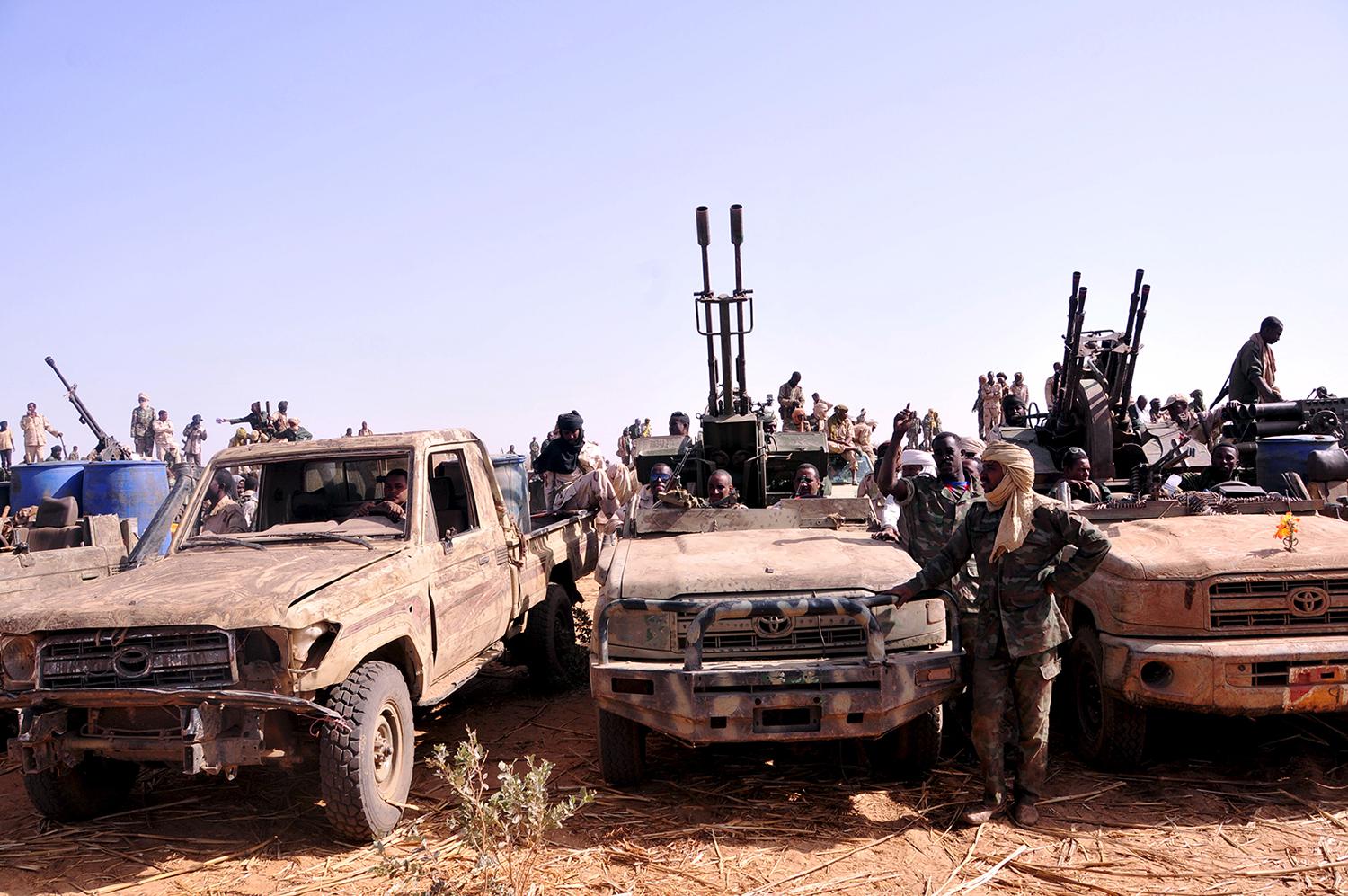
A picture of RSF Forces (Photo Curtsey of the Human Rights Watch)

The report form Human Right Watch contained quotes from 212 victims and RSF defectors who could no longer continue what they were being ordered to do. Here is the alarming quote that opened the report:

     [The government soldiers] confiscated our belongings. They took our livestock.  They beat the men. And then they raped us. They raped us in a group. Some women were raped by 8 or 10 men.  Seventeen women were raped together. All of us were raped. Even the underage girls were raped.

– “Men With No Mercy” Human Rights Watch

Even more worrying is that these men actually had orders to go about their occupations this way. Four of the defected soldiers said that their commanding officers had ordered them to carry out their operations this way.

The list of human rights violations is as long as it is startling. There have been instances of forced displacement of communities from their homes. There are also reports of the destruction of certain necessities needed to live, including wells, food supplies, and the plunder of wealth. Finally, Human Rights Watch has reported “systematic attacks on civilian populations,” which including torture, killings and mass rapes.

The RSF was first created in 2013 by Sudan’s president, Omar Hassan Ahmad Al Bashir. It is part of Sudan’s National Intelligence and Security Services and is usually sent to rebel controlled areas, such as Darfur. These horrors are sadly not a new occurrence in Darfur. The fight between Sudan’s government and multiple rebel groups has been an ongoing story for 12 years. Even though the International Criminal Court indicted president Al Bashir in 2009. Little seems likely to change without heavy influence from the outside world.

Documentation of these atrocities is certainly a necessary step. However, it is slowly becoming a record of terrible events while the rest of the world is content to let it continue. Sadly, groups set up by the U.N. like UNAMID, the African Union-United Nations peacekeeping mission in Darfur, has been relatively ineffective at providing any aid or curtailing the RSF’s practices. The U.N. has continued to blame the Sudanese government for these less than optimal results. Claiming that the group’s access has been all but denied since they tried to gain access to Thabit in 2014.

For more information, please see:

Human Rights Watch – Men With No Mercy – 9 September 2015

NewWeek –Sudanese Government Special Forces Accused of Rape and Murder Sprees: HRW – 9 September 2015

allAfrica – Sudan: Background – Who Are the Rapid Support Forces in Sudan? – 9 September 2015 

The Guardian – Sudan’s security forces killed, raped and burned civilians alive, says rights group – 9 September 2015

Ecuador Moves to Shut Down Free Speech NGO

By Kaitlyn Degnan
Impunity Watch Reporter, South America

QUITO, Ecuador — The Ecuadorian government has passed a resolution which would initiate the legal procedures to dissolve the NGO, Fundamedios. The organization, which monitors and defends freedom of the press, has been critical of Correra and his government.

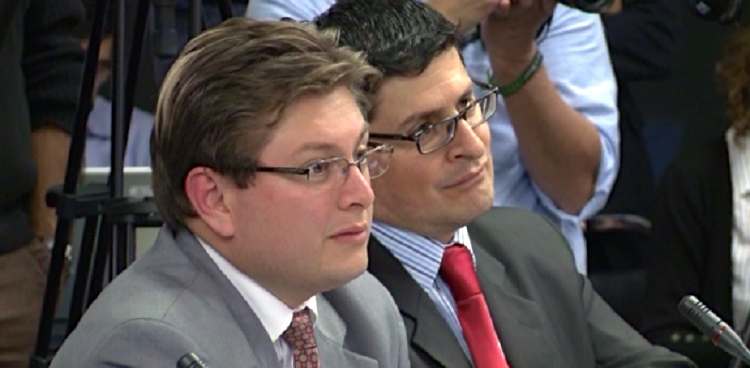
Fundamedios Directors Mauricio Alarcón-Salvador and César Ricaurte. (Photo courtesy of PanAm Post)

Fundamedios, or the Andean Foundation for the Observation and Study of the Media, was founded in 2007. Ecuador’s National Communications Secretariat (Secom) informed the organization that the dissolution was due to engagement in “partisan political activities.”

Secom cited two tweets including links to political blogs as the rationale behind the dissolution, saying that the organization had violated a statute which prohibited the organization from engaging in political activities.

Funamedios’ Executive Director César Ricuarte called the allegations “absurd,” saying: “it seems that for Secom political journalism equals to partisan politics.”

The Freedom House program director for Latin America and the Caribbean, Carlos Ponce, has also called the charges “politically motivated and glaring examples of the government’s lack of respect for freedom of speech.”

Other international observers, including the United States State Department, the Committee to Protect Journalists and Human Rights Watch have expressed concern regarding the move.

Human Rights Watch said that the Ecuadorian government should “close the administrative process against Fundamedios and repeal those norms to comply with its obligation to protect the rights to freedom of expression and association.”

Fundamedios has had issues with the Ecuadorian government in the past. It went before the Inter-American Human Rights Commission to make a case against the government in 2011. The government refuted the claim, and has kept a close eye on Fundamedios ever since.

In January of 2014, Fundamedios received notice that Secom had taken over supervisory control of the organization, and also received a request for the organization’s financial information.

This past June, Secom ordered the organization to stop issuing alerts. At the time, Executive Director Ricuarte said that Fundamedios would “continue issuing alerts whether Secom likes them or not.”

President Correra is well known for his enmity towards the press. According to Fundamedios, there have been 1305 instances of aggression against freedom of expression since 2008.

Article 16 of the American Convention of Human Rights, to which Ecuador is a signatory, states that freedom of association “shall be subject only to such restrictions established by law as may be necessary in a democratic society, in the interest of national security, public safety or public order, or to protect public health or morals or the rights and freedoms of others.”


For more information, please see:

Organization of American States – American Convention on Human Rights – 22 November 1968

Guardian – NGO alert: Ecuadorian government orders press freedom group to disband – 9 September 2015

Human Rights Watch – Ecuador: Media Freedom Group Facing Shutdown – 9 September 2015

Journalism in the Americas Blog – Ecuadorian government starts a process to shut down Fundamedios, a freedom of expression advocate NGO – 9 September 2015

PanAm Post – Ecuadorian Regime to Dissolve Free-Speech Watchdog Fudamedios – 9 September 2015

U.S. Department of State – Ecuador: Restrictions on Freedom of Expression and Freedom of Association – 10 September 2015


Report Card of Muhammadu Buhari After 100 Days

By Tyler Campbell

Impunity Watch Reporter, Africa


NIAMEY, Niger – September 4, 2015 marked the 100th day milestone of Niger’s newly elected President Muhammadu Buhari. Buhari became the first president to ever beat an incumbent in Niger and did so with a majority, winning 54% of the vote. At the time of the election the optimism of what Buhari would do for the troubled country was high. These expectations were fueled by lofty promises made during the campaign. He had even released his own to do list as part of his campaign. Now that we are 100 days into his presidency it is time to check and see if people still share the same optimism for their country and if Buhari has made good on his promises.

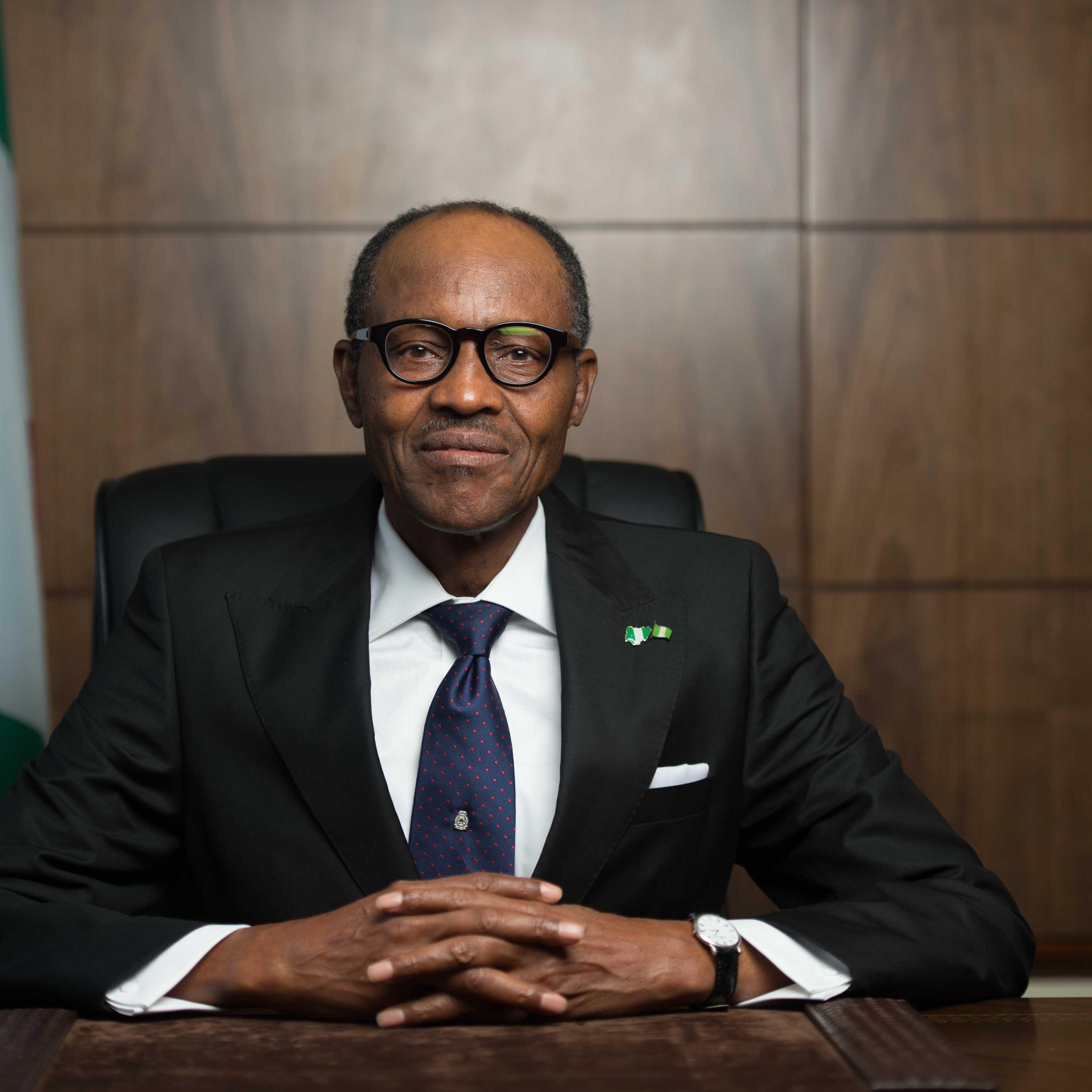
President Buhari (Photo Curtosey of The Patriotic Vanguard)

During the election Buhari published an open letter to all Nigerians titled “My Covenant.” In this Letter he outlined a rather extensive list of things he pledged to accomplish, should he be elected. All these pledges fell into ten main categories.

– Fight Corruption                              – Offer Better Access to Justice for Human Rights

– Fight Insurgency and Insecurity      – Fight Pollution on the Niger Delta

– Celebrate Diversity                          – Ensure Health and Education

– Improve the Power Grid                  – Shift from an Oil to an Agriculture Economy

– Spur Culture                                       – Improve Social Equality

This list is rather all encompassing and seemingly could not be accomplished in just the first 100 days. These lofty goals mixed with high expectations of the newly elected president have left many disappointed and others cautiously optimistic about the rest of his term.


Although many are disappointed about how Buharis first 100 days have faired there are some notable achievements that should be highlighted. The first goal of fighting corruption throughout Niger has been actively pursued. The Nigerian anti-corruption group, the Economic and Financial Crimes Commission, was reinstated by Buhari and has begun what is sure to be a long investigation of the last administration. There have been many small steps in the fight against corruption but no big name convictions have been made.


There has also been noticeable improvement to the nations power grid. On August 25, the Transmission Company of Nigeria reported the nation had reached 4,810.7MW of power generation. This is a rather remarkable improvement from the average of 2,000MW the nation had experienced previously. There is still room for improvement. A nation the size of Niger will need well above 4800MW if all citizens are going to have access.


Aside form these and other improvements made with in Buhari’s first 100 days, one sticking point with Nigerians is the lack of an articulated, comprehensive economic plan. Buhari has met these criticisms by saying that damage done by previous administrations must be fixed before real economic growth can happen. This argument does makes a lot of sense. With good infrastructure, such as a rebuilt power grid and stabilized financing system, economic growth will have a much smoother path.


It seems the doubters may have some grounds to question the new administration. However, Buhari does seem to be making real change and is moving the nation in a positive direction. Hopefully these trends continue in his next 100 days.


For more information, please see:


CNN – Buhari’s first 100 days: Does Nigerian president mean business? – 4 September 2015

Sahara Reporters – 100 Days in Office: 8 Key Achievements of President Muhammadu Buhari By Chinedu George Nnawetanma – 5 September 2015

The Guardian – 100 days of Buhari: what do Nigerians really think of their new president? – 7 September 2015

General Buhari’s Public Letter To All Nigerians – April 2015