By: Tiffany D. Johnson
Impunity Watch News Staff Writer
WASHINGTON, D.C. – Ten years after launching their landmark climate lawsuit against the U.S. government, a group of youth activists have brought their fight for environmental justice to the Inter-American Commission on Human Rights (IACHR), arguing that America’s long-standing fossil fuel policies violate international law and endanger basic human rights — including the rights to life, health, and equality.
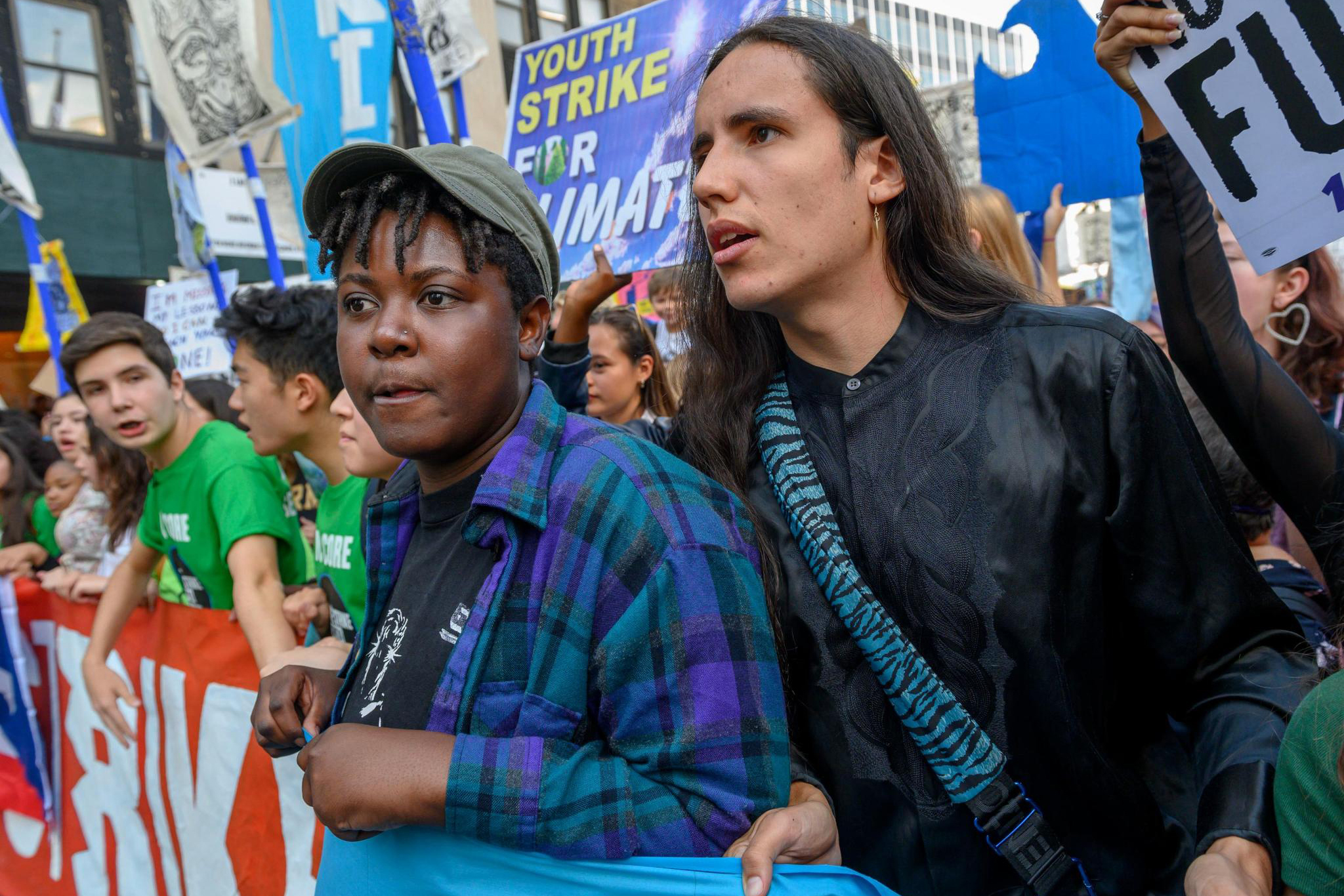
Fifteen of the original Juliana v. United States plaintiffs filed their petition on September 23, 2025, represented by the nonprofit Our Children’s Trust, arguing that U.S. fossil-fuel policies violate international law and endanger the rights to life, health, and equality.
Background
The petition comes a year after the Juliana case — which accused the U.S. government of violating the constitutional rights of youth by promoting fossil fuel dependence — was dismissed by U.S. courts. With domestic remedies exhausted, the petitioners turned to the regional human rights system.
The IACHR, headquartered in Washington, D.C., reviews complaints under the American Declaration on the Rights and Duties of Man, which protects the rights to life, liberty, security, health, and equality before the law. The youth argue that by expanding fossil fuel production and denying them access to meaningful remedies, the United States has breached these obligations and committed an internationally wrongful act.
Their appeal follows two historic Advisory Opinions on climate change, one issued on May 29 by the Inter-American Court of Human Rights and another on July 23 by the International Court of Justice, both recognizing climate change as a human rights emergency. The IACtHR ruling — the first to declare climate change a human rights emergency — found that States have binding legal duties to adopt ambitious, science-based, and equity-centered climate action. According to the Court, failure to prevent climate harm violates fundamental rights, including those to life, personal integrity, and a healthy environment.
Justice and Health in the Climate Crisis
For the petitioners, the crisis is personal. Rising seas, extreme storms, and heat events have destroyed homes and schools, displaced families, and worsened public health conditions. “We were born into a rights violation,” said petitioner Levi Draheim, now 18. “Our home, our safety, and our health have all been compromised.”
The filing argues that climate change, driven by government policy choices, has deprived young people of the ability to enjoy a safe and stable climate system — a precondition for exercising every other human right. Citing the IACtHR’s opinion, the petition underscores that States and corporations share a legal duty to prevent irreversible climate damage, regulate high-emitting industries, and protect vulnerable communities most affected by environmental harm.
Significance
If accepted, the petition would mark the first time an international human-rights tribunal undertakes a full review of U.S. climate policy.
Together, the IACtHR’s Advisory Opinion and the IACHR petition form a powerful one-two statement: climate inaction is not merely environmental neglect — it is a human rights violation. For the youth petitioners, the message is clear: protecting the planet is inseparable from protecting life and health.
As the Commission considers their plea, their case may help define a new frontier in international law — one where justice for the climate becomes synonymous with justice for humanity.
For further information, please see:
